Presenter
Recast the ad with another AI actor, or with talent who agreed to it. Same script, same product.
A creative test only teaches you something when each variant changes one thing. Start from the ad that is running, then make variants that swap just the presenter, the outfit, the setting or the format, with the product and everything else held still. Every swap uses talent the brand owns: AI characters you created, or people who gave you the rights to their face.
ONE CONTROL · ONE VARIABLE PER VARIANT · PRODUCT KEPT EXACT · ALL PLACEMENTS
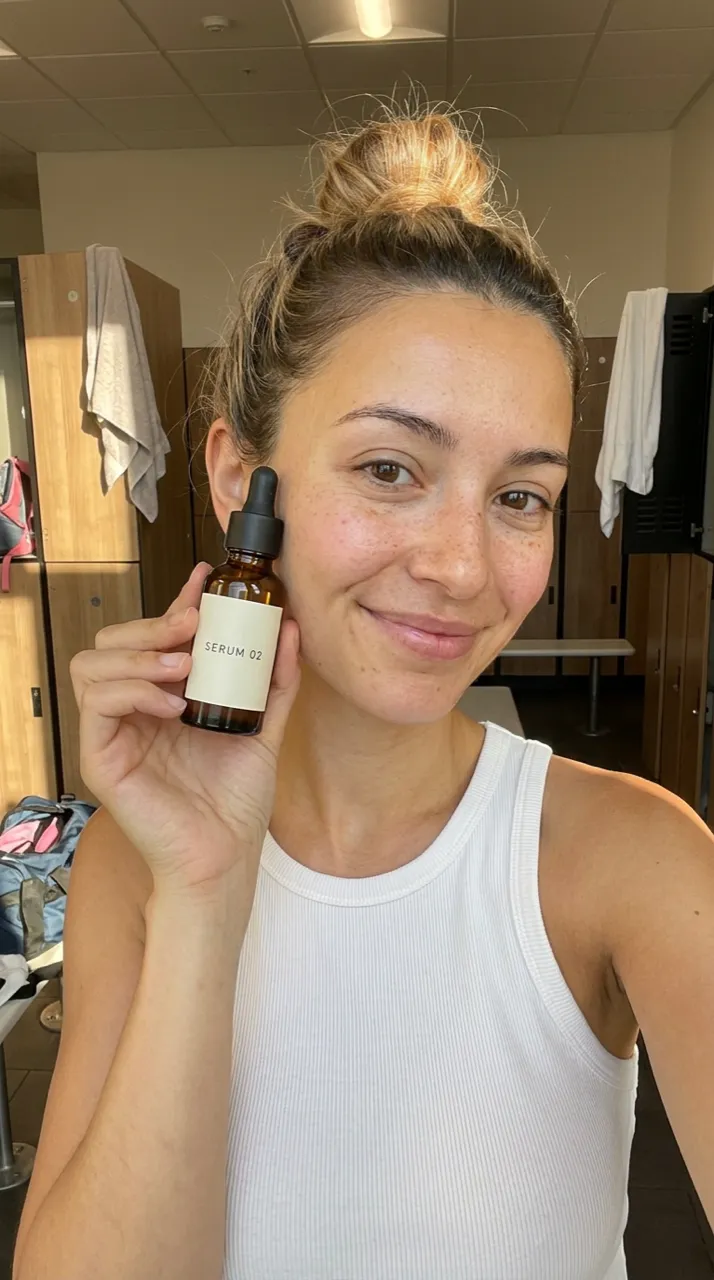

One take, recast with a second presenter who signed off on it. Voice, timing and gestures are the original performance.
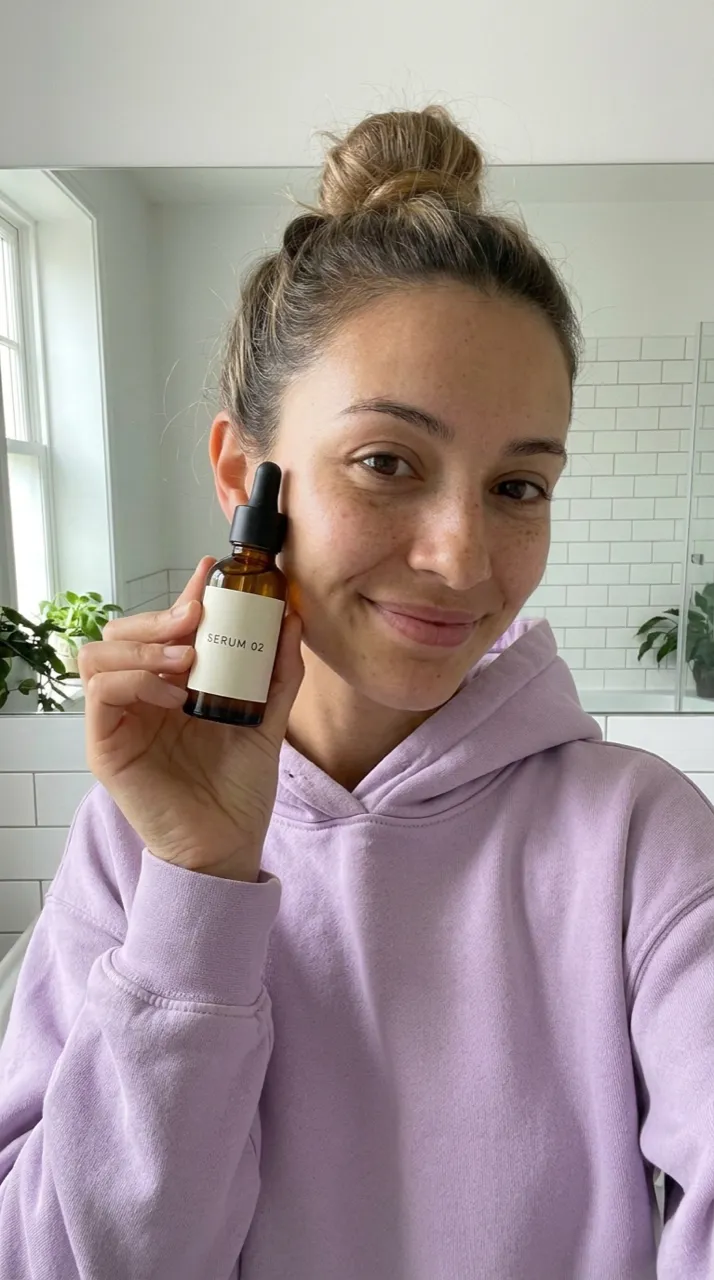


Recast the ad with another AI actor, or with talent who agreed to it. Same script, same product.
Change only what the presenter wears with Clothes Swap or an edit prompt.
Bathroom, gym, kitchen or office, with the person and product unchanged.
The winning concept at 1:1, 4:5, 9:16 and 16:9 for every placement.
Your product photo is the reference in every variant, so the label never drifts.
A new spoken opening on the same shot, or a new voiceover with lips re-synced.
Start from the ad that is running, or generate one: actor, product, setting.
Swap the presenter, the outfit, the setting or the format, and only that.
Export at each placement's size, upload to your ad account and read the results by variable.
Ad creative testing is running several versions of an ad against each other to learn which element moves results: the person, the hook, the setting, the format. Ad platforms split the spend and report each version's performance; the hard part has always been making enough clean variants, because every reshoot changes several things at once.
AI makes the single-variable variant cheap. Keep the control's product, framing and copy, and change one element: a different AI actor in the same shot, a different outfit on the same person, a different room behind them, or the same ad cut to another placement. In the examples above the bathroom ad becomes a gym ad, a hoodie ad and a kitchen ad without anything else moving.
Use people the brand owns. Presenter swaps should only ever use AI characters you created or talent who signed off on the use of their likeness, and ad platforms ask you to label AI-generated content. Then read the test by variable: if the gym version wins with every presenter, the setting is the lesson.
Clean variants for each ad set.
The same ad with presenters your segments relate to.
Fresh versions of a winner when frequency climbs.
A test plan an agency can explain variable by variable.
Enough to change one thing each. Three to five variants of one control is a common starting point; more variables at once make the result hard to read.
Yes, with Video Face Swap on video or Face Swap on photos. Use your own talent with written permission to use their likeness, or AI characters you created. Never a celebrity, someone else's talent or a customer who hasn't agreed.
Yes. The product photo is the reference for every variant. Check the label on each output before it runs.
No. You run it in your ad platform. Affogato makes the variants, at the size each placement needs.
TikTok, Meta and YouTube ask advertisers to label realistic AI-generated or AI-altered content. Add the label when you publish.
In credits per image and per second of video, shown before you generate. Plans start at $24 a month for 2,000 credits.
Start from your best ad and make its first variant in minutes.
NO WATERMARKS · CREDITS ROLL OVER · COMMERCIAL LICENSE INCLUDED · CANCEL ANYTIME